 Advertisement Expert
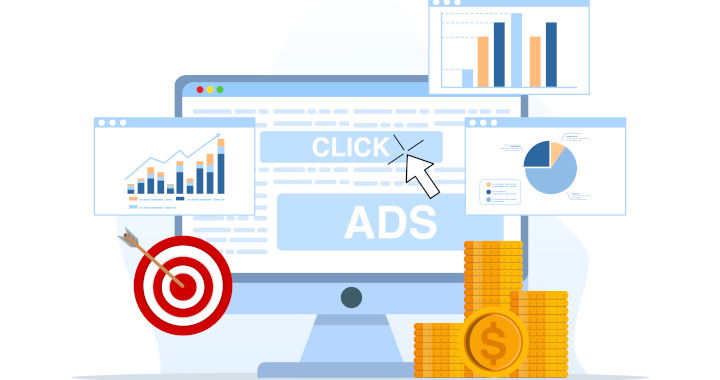
Pay per click or PPC advertising is a digital marketing model in which advertisers pay a fee each time a user clicks on their online ad. Instead of earning visits organically through search engine optimization (SEO), PPC allows businesses to buy targeted traffic quickly and efficiently. This model is widely used across major platforms such as Google Ads, Bing Ads, Facebook, Instagram, LinkedIn, and many other online advertising networks.
One of the biggest advantages of pay per click advertising is its ability to target specific audiences with precision. Advertisers can tailor their campaigns based on demographics, location, interests, keywords, and even user behavior. This ensures that ads are shown to people who are most likely to be interested in the product or service being promoted. As a result, pay per click can deliver highly qualified traffic and a strong return on investment when managed properly.
With platforms like Google Ads, advertisers bid on keywords that potential customers might use when searching online. When someone searches for those terms, ads can appear at the top of search engine results pages. Advertisers only pay when a user clicks their ad, making pay per click a cost-effective method of reaching customers who are actively looking for related products.
Pay per click also offers valuable data and insights. Marketers can track impressions, clicks, conversions, and overall performance in real time. This allows for ongoing optimization, such as adjusting bids, refining keywords, testing new ad copy, or updating landing pages to improve conversion rates.
However, pay per click requires careful planning and constant monitoring. Poorly managed campaigns can lead to wasted budget and low-quality traffic. Competition for high-demand keywords can also drive costs up, making strategic bidding essential.
Overall, pay per click advertising is a powerful tool for businesses looking to increase visibility, attract targeted leads, and drive measurable results in a relatively short period of time.
Google Ads
Google Ads, formerly known as Google AdWords, is one of the most powerful online advertising platforms, offering numerous benefits for businesses of all sizes. One of its primary advantages is its ability to reach a highly targeted audience. Google Ads allows advertisers to show their ads to users based on specific keywords, locations, demographics, interests, and even device types. This precision targeting ensures that marketing budgets are spent efficiently, reaching users who are most likely to convert.
Another significant benefit is immediate visibility and traffic. Unlike organic search engine optimization (SEO), which can take months to show results, Google Ads can put a business at the top of search engine results almost instantly. This is especially useful for new businesses looking to generate quick awareness or for seasonal campaigns that require timely promotion.
Measurable results and data-driven insights are also key advantages. Google Ads provides detailed analytics on impressions, clicks, conversions, and return on investment (ROI). This level of transparency allows marketers to refine campaigns in real-time, testing ad copy, keywords, and targeting strategies to maximize performance.
Additionally, Google Ads offers cost control and flexibility. Advertisers can set daily budgets, bid amounts, and adjust spending based on campaign performance. This pay-per-click (PPC) model ensures that businesses only pay for actual engagement rather than mere exposure.
Finally, Google Ads supports remarketing strategies, enabling businesses to reconnect with users who have previously visited their website. This increases the chances of conversion by keeping the brand top-of-mind for interested prospects.
In conclusion, Google Ads is a versatile tool that enhances brand visibility, drives targeted traffic, provides actionable insights, and offers budget flexibility. For businesses seeking to grow their online presence, increase sales, and engage with the right audience efficiently, Google Ads is an invaluable marketing solution.
- Key Features
Search Ads – Appear on Google search results for targeted keywords.
Display Ads – Visual ads across websites and apps in the Google Display Network.
Video Ads – Shown on YouTube and partner video platforms.
Shopping Ads – Product listings with images and prices for e-commerce.
Performance Max – Automated campaigns across all Google channels. - Pros
Massive Reach through Google’s ecosystem.
High Intent Targeting for users actively searching for solutions.
Flexible Budgets that can scale up or down easily.
Advanced Targeting such as keywords, demographics, individual websites and remarketing.
Measurable Analytics with detailed performance insights.
Quick Traffic & Results, unlike slower organic methods. - Cons
High Costs in competitive industries or poorly optimized campaigns.
Steep Learning Curve requiring keyword research, bidding knowledge, and continuous management.
Potential Click Fraud, despite Google’s detection systems.
Requires Ongoing Optimization to maintain performance.
No Guaranteed Conversions – dependent on landing page quality and offer strength. - Best For
Businesses seeking fast, targeted traffic
Brands needing scalable ad spend
Companies with clear customer intent and strong landing pages
Microsoft Advertising

Microsoft Advertising, formerly known as Bing Ads, offers a robust platform for businesses to reach a highly engaged audience and drive measurable results. One of the primary benefits is access to a unique and affluent audience. While Google dominates search, Microsoft Advertising reaches users across Bing, Yahoo, and AOL, including a significant proportion of professionals, decision-makers, and older demographics with higher purchasing power. This allows businesses to target users who may be more likely to convert.
Another advantage is cost efficiency. Microsoft Advertising often has lower competition compared to other platforms, resulting in lower cost-per-click (CPC) rates. This enables advertisers to achieve a higher return on investment, especially for small to medium-sized businesses or niche markets. The platform also integrates seamlessly with LinkedIn, allowing advertisers to use LinkedIn profile targeting. This unique feature enables businesses to target audiences based on job title, industry, or company size, which is particularly valuable for B2B marketing campaigns.
Microsoft Advertising also provides advanced analytics and insights. Through robust reporting tools, businesses can track performance metrics, optimize campaigns in real-time, and make data-driven decisions. The platform supports a variety of ad formats, including search ads, shopping ads, and display ads, enabling marketers to create multi-channel campaigns that reach users at different stages of the buyer journey.
Additionally, Microsoft Advertising emphasizes AI-powered tools for automated bidding and audience targeting. These tools help advertisers maximize conversions while reducing manual workload. The platform also allows seamless integration with other Microsoft tools like Dynamics 365, offering a more cohesive marketing ecosystem.
In summary, Microsoft Advertising combines unique audience reach, cost-effective strategies, advanced targeting, and powerful analytics to help businesses expand their online presence, drive conversions, and optimize marketing performance. It is an essential platform for advertisers seeking efficient, data-driven, and highly targeted campaigns.
- Pros
Lower Competition & CPC – Fewer advertisers than Google Ads typically means lower cost per click and better ad positions for the same budget.
Older & Higher-Income Audience – Bing’s user base skews slightly older, higher income, and desktop users, making it strong for certain industries (finance, travel, B2B).
Strong Performance on Desktop – Bing holds a larger share of desktop searches, leading to higher conversion rates for desktop-heavy audiences.
Easy to Import Google Ads Campaigns – Smooth one-click import saves time and keeps campaigns consistent across platforms.
Expanded Placement Options – Ads appear not only on Bing but also Yahoo, AOL, and partner sites, offering additional reach. - Cons
Smaller Market Share – Bing commands far less search volume than Google, limiting overall reach.
Less Advanced Features (vs. Google Ads) – Some automation, audience features, and reporting tools lag behind Google’s capabilities.
Lower Mobile Search Share – Bing performs better on desktop, but mobile performance is generally weaker.
Smaller Ecosystem – Fewer integrations, third-party tools, and case studies compared to the mature Google Ads ecosystem.
Taboola
Taboola advertising offers businesses a powerful way to reach audiences through native content placements that blend seamlessly with the user experience. One of its main benefits is high visibility across premium publishers. Taboola partners with thousands of well-known websites, including major news and media outlets, allowing brands to place their content in front of large, engaged audiences at scale.
Another key advantage is native integration. Unlike disruptive banner ads, Taboola ads appear as recommended articles or videos, which makes them feel more organic and less intrusive. This format often leads to higher engagement rates, as users are more likely to click on content that matches their interests and browsing behavior.
Taboola also provides advanced audience targeting and personalization. Using machine learning and real-time data, the platform delivers ads to users based on factors such as location, device, interests, and previous online behavior. This ensures that advertisers reach the most relevant audiences, improving click-through rates and return on investment (ROI).
From a cost perspective, Taboola advertising is budget-friendly and performance-driven. Advertisers can set daily budgets, bid strategically, and pay primarily on a cost-per-click (CPC) basis. This flexibility makes it suitable for both small businesses and large enterprises, allowing marketers to scale campaigns gradually while maintaining cost control.
Additionally, Taboola is highly effective for content marketing and brand awareness. It enables brands to promote blog posts, videos, and landing pages that educate or entertain users rather than directly selling to them. This approach builds trust, increases time spent with the brand, and supports long-term customer relationships.
Finally, Taboola offers detailed analytics and optimization tools. Advertisers can track performance metrics in real time and refine headlines, visuals, and targeting to improve results continuously. Overall, Taboola advertising combines reach, relevance, and performance, making it a valuable tool for modern digital marketing strategies.
Pros of Taboola Advertising
One of the biggest benefits of Taboola is its massive reach. The platform partners with premium publishers and news websites, enabling brands to reach millions of users worldwide. This makes it especially effective for increasing brand awareness and driving large volumes of traffic.
Another advantage is its native ad format. Taboola ads appear as recommended content, blending naturally into the website layout. Because these ads are less intrusive than traditional display ads, users are more likely to engage with them, resulting in higher click-through rates.
Taboola also offers advanced targeting and personalization. Its machine-learning algorithms analyze user behavior to deliver relevant content to the right audience. Advertisers can target by location, device, interests, and more, improving campaign effectiveness.
In addition, Taboola is cost-flexible. With cost-per-click (CPC) pricing and customizable budgets, advertisers can control spending and scale campaigns according to performance.
Cons of Taboola Advertising
Despite its benefits, Taboola has some drawbacks. One common concern is traffic quality. While Taboola can drive high volumes of clicks, not all traffic converts well, especially for advertisers focused on direct sales rather than content engagement.
Another disadvantage is creative fatigue. Headlines and images must be continuously refreshed to maintain performance, which can increase time and creative costs.
There is also a learning curve for optimization. To achieve strong results, advertisers need to regularly analyze data, test creatives, and adjust bids, which may be challenging for beginners.
In conclusion, Taboola advertising is highly effective for content promotion and brand awareness, but it requires strategic planning and ongoing optimization to maximize results while minimizing inefficiencies.
Visit Taboola